VRLA batteries naturally lose charge over time, and temperature can speed this process. Proper monitoring, periodic charging, and organized inventory practices help keep stored batteries healthy, protected, and ready for dependable service when needed.
VRLA batteries release small amounts of gas while charging, making ventilation and safe installation essential. This summary highlights typical gassing behavior, airflow needs, and practical safety measures to maintain a secure, compliant operating environment.
Impedance and conductance readings offer a fast, non-intrusive way to understand battery health. These measurements reveal aging trends, diagnose performance issues, and support long-term maintenance planning without taking systems offline.
Simple integrity checks, like voltage measurements, current response, float behavior, and brief load tests, help confirm whether a battery is healthy, weakening, or unsafe to use. These tests make it easier to catch faults early and ensure reliable operation.
Correct charging is essential for maintaining VRLA battery performance. Proper voltage settings, temperature awareness, and controlled recharge times help extend service life, reduce damage risks, and ensure batteries stay dependable across different operating conditions.
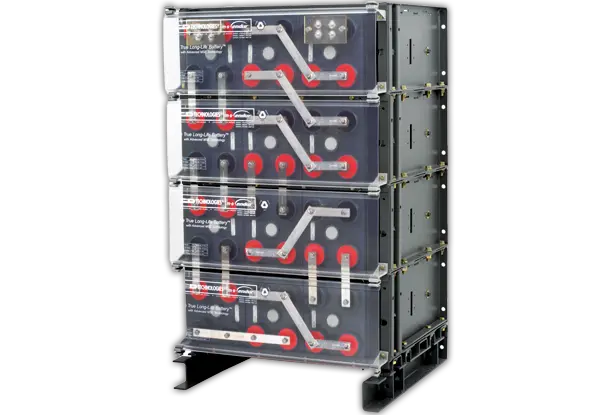
Focused on practical field use, this guide walks through safe installation, wiring, and initial charging of 12V VRLA battery systems. It details rack setup, cable layouts, checklist-based inspections, and procedures that support dependable system commissioning.